Health
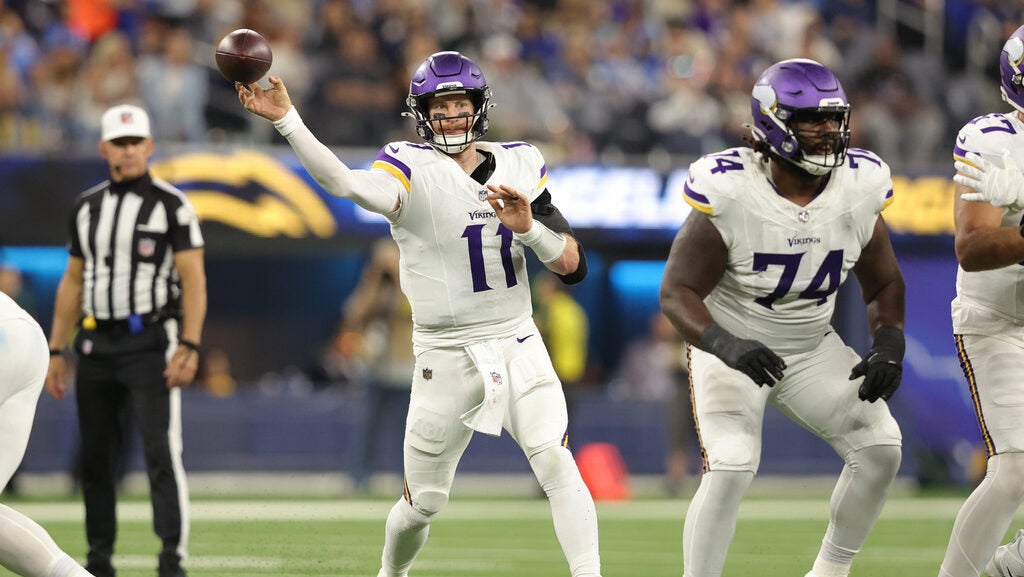
O’Connell confident Vikings will have offensive success vs. Bills with Wentz at QB
By Marcus Chen
Advertisement · Why this ad?
Marcus manages the day-to-day editorial workflow across all brands, coordinating coverage assignments and ensuring editorial standards are met. He previously served as city editor at the Pioneer Press and holds a degree in Political Science from Carleton College.
More from Marcus →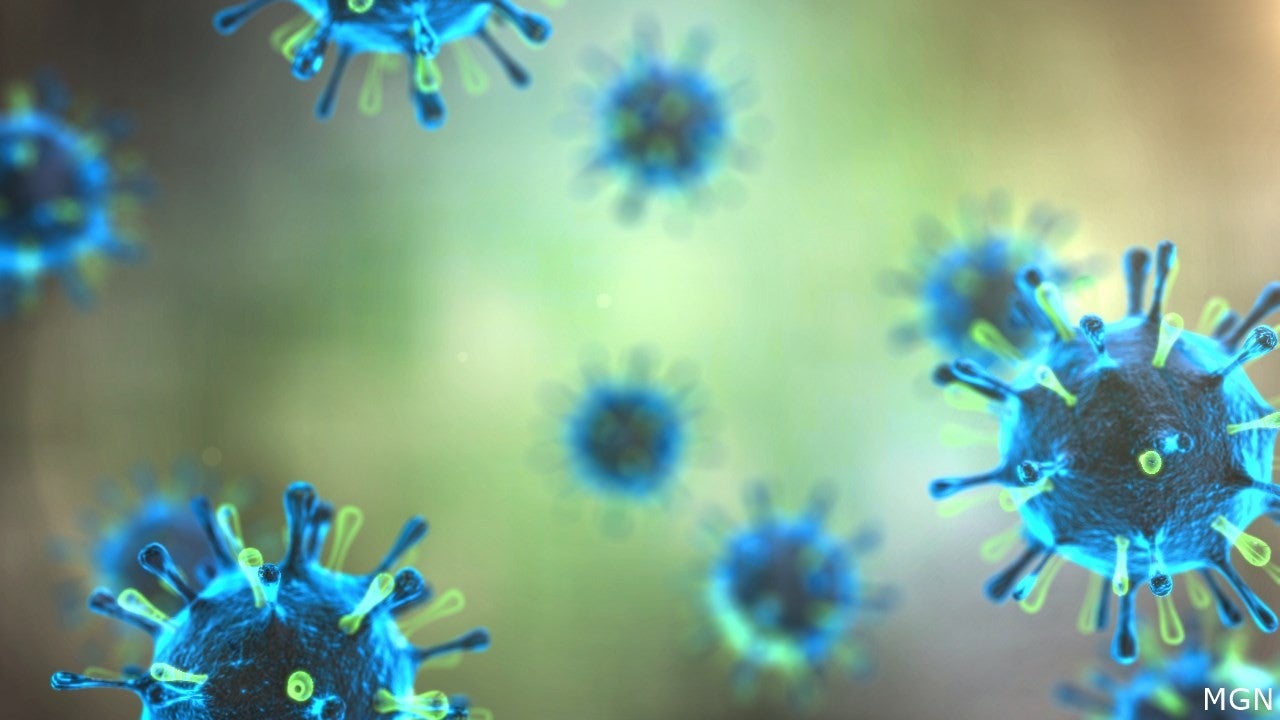
In a quiet Wisconsin town, a family’s world shattered when their infant succumbed to measles—a disease nearly eradicated in the U.S. since 2000. The child's death marks the first measles-related fatality in Wisconsin since 1990, prompting a community to confront the resurgence of a preventable disease and reflect on the importance of vaccination and faith in protecting families. This tragic event has cast a spotlight on the fragile gains made in public health and the ongoing challenges posed by vaccine hesitancy and misinformation.
On Thursday, Wisconsin health officials confirmed the heartbreaking news: an infant in southwestern Wisconsin died from measles, the first such death in the state in 36 years. The Wisconsin Department of Health Services declined to disclose the exact location or details to respect the family's privacy. The coroner officially listed measles as the cause of death, highlighting the disease's deadly potential despite widespread vaccination efforts.
The child’s death comes amid a troubling rise in measles cases across the country. As of this week, Wisconsin reported 431 cases—almost all in unvaccinated individuals—with nine hospitalizations. Public health officials warn that falling vaccination rates threaten to undo decades of progress in controlling this highly contagious virus. The outbreak has stirred concern among local health departments, school districts, and community leaders, many of whom remember the days before measles was nearly eliminated in the U.S.
Measles was declared eliminated in the U.S. in 2000, thanks to robust vaccination programs that achieved herd immunity—an immunity threshold of about 95% vaccination coverage needed to prevent outbreaks. However, recent years have seen a disturbing decline in immunization rates, dipping below this critical threshold in various communities, especially in parts of Wisconsin and neighboring states. Experts attribute this to misinformation about vaccine safety, religious exemptions, and complacency, which have created openings for outbreaks.
The CDC confirms four measles-related deaths nationwide this year, but some states report higher numbers. Pennsylvania, for instance, has recorded five deaths and is investigating a sixth, illustrating how the virus’s return threatens vulnerable populations—especially infants and those with compromised immune systems. The resurgence underscores that measles remains a potent threat, particularly in areas where vaccination coverage drops below herd immunity levels.
For families like the one affected in Wisconsin, the loss is immeasurable. “My heart is broken for the family,” said Kirsten Johnson, Wisconsin’s health secretary. She emphasized that no parent should have to bury a child due to a preventable disease, calling for renewed efforts to promote vaccination and community responsibility. The community mourns the loss of a young life and grapples with the painful reality that this tragedy could have been prevented.
Many in the community see this tragedy as a wake-up call. Faith leaders and local organizations are urging families to consider the long-term benefits of vaccinations, which align with values of protecting and caring for one’s loved ones. Churches, mosques, and community centers are hosting forums and health fairs to dispel myths and encourage vaccination. Strong marriages and committed families—cornerstones of a resilient community—are essential in combating preventable health crises. Local pediatricians and public health officials are working tirelessly to rebuild trust and educate hesitant parents about vaccine safety and efficacy.
The outbreak has stirred concern across Wisconsin, prompting health officials to ramp up outreach and vaccination campaigns. Local clinics are offering free or low-cost immunizations, emphasizing that vaccination is a moral and civic duty. Schools and faith groups are also participating in awareness efforts, stressing that vaccines are a gift of love and protection for children and communities alike. Many community members are sharing their stories of how vaccination saved their children from serious illness, hoping to inspire others to follow suit.
Community leaders stress that vaccine hesitancy rooted in misinformation undermines these efforts. They call for transparent communication and trust-building to ensure more families choose vaccination, safeguarding their children and neighbors. The tragedy in Wisconsin underscores that no one is immune from the consequences of complacency or misinformation. Local health departments are increasing their social media presence, hosting town halls, and collaborating with trusted community figures to combat myths and fears.
Health officials are determined to prevent further tragedies. They plan to intensify education efforts, dispel myths, and strengthen immunization programs. The goal is to restore high vaccination rates and protect vulnerable populations, especially infants too young for vaccination and those with health issues. Efforts include expanding outreach in underserved communities, where vaccination rates tend to be lower, and providing culturally sensitive information to address specific concerns.
For families of faith and those committed to the American dream of strong, loving households, this situation is a stark reminder: commitment to health and community is vital. Restoring trust in vaccines and fostering a culture of care can prevent future loss and uphold the societal fabric that keeps us safe and united. Local leaders are emphasizing that vaccination is not just a personal choice but a communal act of love and responsibility.
As Wisconsin grapples with this painful milestone, hope remains that through faith, community, and science, the spread of measles can be halted once more—saving lives and restoring peace of mind for families across the state. The community's resilience and collective action will be crucial in turning the tide against this preventable disease, ensuring that no more families endure such heartbreaking loss.
Ultimately, community resilience depends on collective responsibility. Ensuring that every child is protected from preventable diseases like measles requires ongoing education, open dialogue, and unwavering commitment to public health. As we watch Wisconsin mourn and respond, it’s crucial that we reflect on how we can safeguard our own families and neighbors, and keep the promise of a healthier future alive.
By Marcus Chen
By Katherine Langford
By Marcus Chen

By Katherine Langford